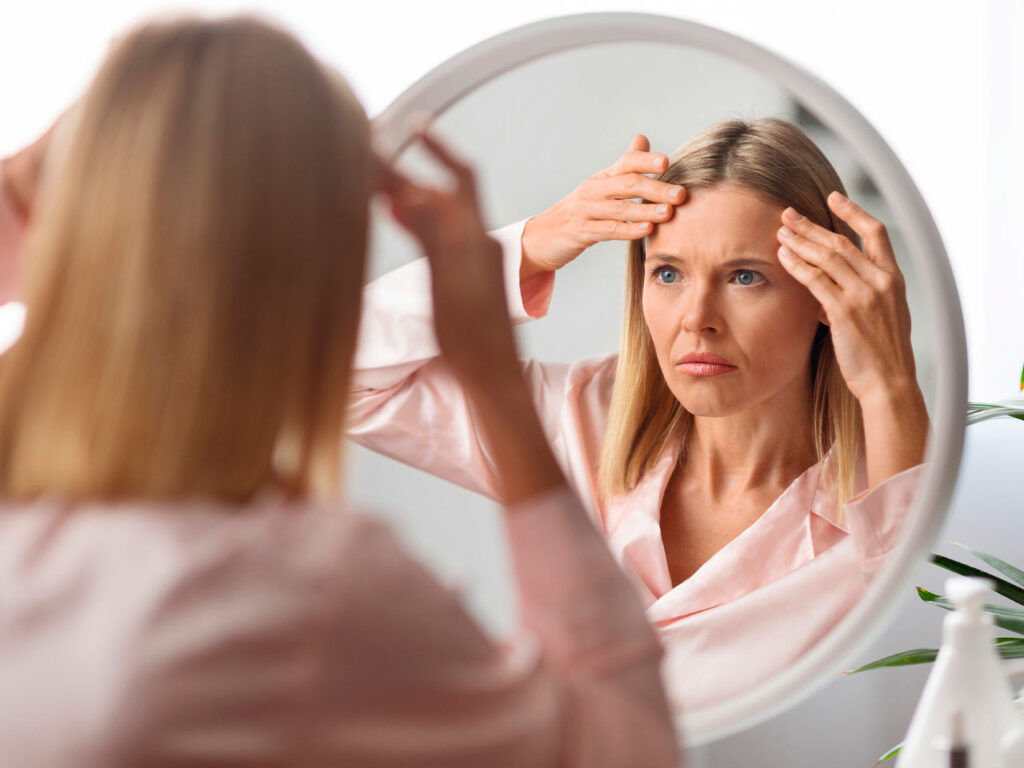
Chemical peels are a very effective aesthetic treatment for those who want to restore the beauty and youthfulness of their face. By acting on different layers of the skin, it can smooth out wrinkles, treat spots or scars with varying degrees of depth.
Even with healthy habits and a good skincare routine, it’s natural for skin to lose qualities such as firmness and radiance, and to reveal some marks and wrinkles. In this article, we’ll explain how chemical peels help you regain a younger, healthier appearance.
What is chemical peeling and how is it done?
Chemical peeling is a minimally invasive treatment that accelerates cell renewal. Through the application of a chemical solution, the most superficial layers of skin begin to peel off, giving rise to new, more beautiful and fresher skin.
If carried out by specialist doctors in a clinic setting, the procedure is simple, very effective and safe. The treatment can take between three and five 30-minute sessions, depending on the specialist’s assessment, and can be three levels deep. The choice is recommended by the doctor who will assess your skin type, signs of ageing and the expected result. These are the three types of chemical peel:
- Superficial peeling: only affects the epidermis, i.e. the most superficial layer of the skin, causing a slight peeling. The results reveal smoother, brighter skin with a better appearance and quality.
- Medium peel: Causes the most intense peeling of the skin, as it removes the outer and middle layers. It is ideal for treating medium wrinkles, acne scars, blemishes and uneven texture.
- Deep peeling: As it removes the deepest layers of the skin, it can treat wrinkles, sagging skin and scars. It involves a longer recovery time and care as it can lead to the formation of scabs.
Under what circumstances can it be applied?
For people who want to improve the quality of their skin, chemical peeling can be a treatment to consider as it offers good results. It is indicated for the following cases:
- Treating lesions such as acne scars;
- Renew the layers of the skin;
- Reduce spots caused by sun exposure and age;
- Soften wrinkles and expression lines;
- Disguise enlarged pores;
- Reduce oiliness;
- Stimulate collagen production.
The results can vary depending on the original condition of the skin. However, the main benefit is undoubtedly the effective improvement in the appearance of the face.
After treatment, it can take between 7 and 10 days for the skin to regenerate completely. The end result is a more even, smoother and younger-looking complexion.
What care should be taken after treatment?
Chemical peels require some post-treatment care, as the skin is very sensitive. Strictly following the specialist doctor’s instructions is fundamental to the success of the final result. Depending on the type of procedure applied, the recovery time can be between 1 and 2 weeks. These are the general precautions to follow:
- Avoid sun exposure;
- Wear SPF50+ sunscreen whenever you leave the house and renew it every 4 hours to reduce the risk of hyperpigmentation;
- Wash the treated skin properly and moisturize it intensively with products recommended by the medical team;
- Use cold compresses or spray with water if you feel burning;
- Do not wear make-up for the first 24 hours.
Each level of chemical peel can solve different problems. For this reason, you should seek advice from a specialist medical team as to whether this is the right treatment for your skin.
At Skin Boutique, before any other procedure, a diagnosis and an individualized plan of each patient’s needs are made. These steps are essential to achieving the best possible results, i.e. smoother, more even and healthier skin. Visit our website and find out more about chemical peels.