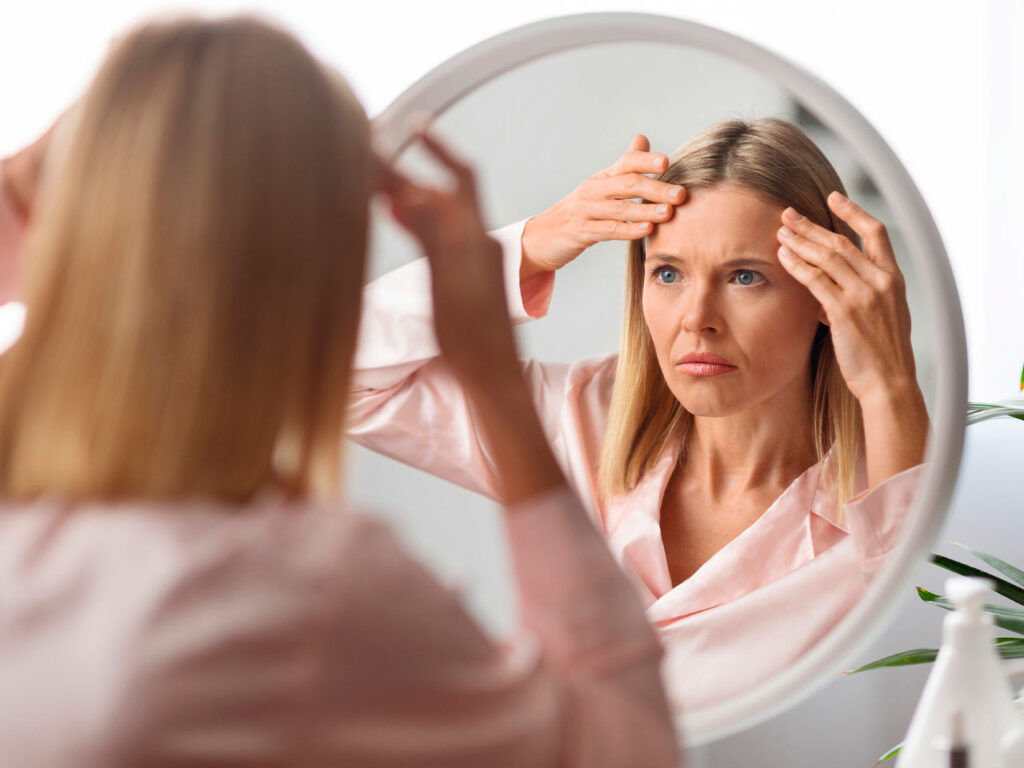
Acne is a skin condition often associated with adolescence, but it is also common for it to remain or even appear in adulthood. In addition to the visible effects, such as excessive shine, pimples, blackheads and scars, this problem generates discomfort that can affect well-being and self-esteem. The right acne treatment can improve the appearance of the skin and offer a long-term solution.
Main causes of acne
Acne is a dermatosis that develops due to the action of fat, bacteria and dead cells. These agents block the pores and trigger an inflammatory reaction (redness, pimples, blackheads, pustules, etc.) that manifests itself in areas of the body with a higher concentration of sebaceous follicles, such as the face, neck, chest, back and shoulders.
At the first signs of the disease, it’s important to seek an assessment from a dermatologist to identify the causes and the solutions available to effectively control and treat these symptoms.
Hormonal changes are the main reason for acne in adulthood, which is why it is more common among women. However, it can have other origins, including:
- Stress;
- Excessive use of make-up;
- Lack of a skin cleansing routine;
- Eating a diet rich in saturated fats, fatty meats or refined sugar;
- Excessive sun exposure;
- Staying in polluted environments;
- Use of medications such as corticosteroids, anabolic steroids and antidepressants.
Tips for improving skin quality
Acne is a disease and can be made worse by the use of unsuitable products. Therefore, acne treatment should be advised by a dermatologist and will depend on the type and degree of acne. This assessment is essential in order to act on the root of the problem and prevent it from worsening and leaving deep scars on the skin.
1. Care routine
One way to mitigate the effects of mild acne is simply to adopt good skin cleansing habits. Remove products and make-up that are too greasy from your daily routine. These tend to clog pores, increase oil levels and aggravate the formation of pimples and blackheads.
The most recommended products are labeled “oil-free” and are suitable for treating acne at different ages. Although it’s necessary to understand which routine best suits your skin, there are some precautions that can help reduce the most visible signs:
- Gently cleanse your face with a cleansing gel for acne-prone skin to remove particles of pollution and excess oil;
- Moisturize your skin with a good cream specifically for acne-prone skin;
- Throughout the day, apply sunscreen to your face, neck and décolleté to prevent UV rays from aggravating the inflammation.
2. Balanced nutrition
Diet also plays an important role in treating acne. Invest in healthy, balanced meals with a strong presence of whole and organic foods.
Choose to eat legumes, vegetables and fruit in season, as well as white meats that are lower in fat. Antioxidants are also a good ally for your skin. They are found in red fruits, such as strawberries and blueberries, and legumes such as beans and peas.
3. Deep skin cleansing
Deep cleansing aims to remove impurities, dead skin cells and reduce oiliness. However, acne-prone skin is very sensitive, so it is recommended that you speak to a dermatologist before investing in this type of acne treatment.
If your acne is in an active phase, you may have to wait before you can undergo certain types of medical-aesthetic treatments. If it is recommended for your case, so that the most appropriate products and techniques can be applied, talk to your beauty professional about your problem beforehand.
Deep cleansing takes about an hour and usually follows six steps:
- Cleanse the face, neck and décolleté area;
- Steam and unclog pores;
- Exfoliate the skin;
- Remove blackheads;
- Apply a soothing mask;
- Moisturize and protect the skin with an appropriate moisturizer.
4. Treating acne with Aesthetic Medicine
With the advances in Aesthetic Medicine, you no longer have to live with scars and blemishes that bother you and affect your self-esteem. If you have severe acne marks on your skin, you should consider medical-aesthetic treatments.
Chemical peeling or laser resurfacing are two options that treat deeper lesions and accelerate skin regeneration. Treatment should be carried out by a dermatologist with experience in this type of treatment for acne-prone skin, after a personalized assessment of the condition of the dermis.
These minimally invasive techniques are safe and provide effective results in the treatment of acne marks and the first signs of ageing.
Treating acne can restore your confidence and the quality of your skin. However, before choosing any of the solutions mentioned, you should always seek advice from a dermatologist.
At Skin Boutique you’ll find a team of specialist doctors who can give you the advice you’re looking for and take care of your skin using state-of-the-art techniques. Visit our website and find out how to give your face a youthful, healthy look.